В целях поддержки образовательного и научного процессов в полнотекстовой электронной библиотеке публикуются малодоступные учебно-методические материалы и научные произведения в области различных отраслей психологии и смежных наук. Тематический рубрикатор построен на основе систематического каталога городской фундаментальной библиотеки ФГБОУ ВО МГППУ.
За всеми документами, представленными в Электронной библиотеке МГППУ, сохраняется авторское право. Пользователь библиотеки несет полную ответственность за нарушение авторских прав.
Если Вы хотите, чтобы Ваши работы были размещены в электронной библиотеке МГППУ, обращайтесь в библиотеку университета по адресу: г. Москва, ул. Сретенка, д. 29, ком. 104-107, тел. 632-98-11, 607-23-40.
Последние поступления
06.10.2026
Смысл жизни и судьба — Чудновский В. Э.
Судьба и Рок, "составляющие" судьбы, поиск смысла, "жизненное пространство" личности, образование и Судьба - этим, пока что мало изученным проблемам посвящена книга. В ней раскрыто соотношение двух "линий" судьбы - объективно-предопределенной и субъективно-преобразующей; рассмотрены психологическая сущность смысла жизни и его роль в человеческой судьбе; дано целостное представление о жизни человека, ее основных этапах и их соотношении. Книга предназначена в первую очередь Учителю в самом широком смысле слова - педагогу, воспитателю, родителям - всем, кто тем или иным образом имеет отношение к воспитанию и обучению.
 Доступ к произведению разрешен для студентов и профессорско-преподавательского состава МГППУ в локальной сети университета.
29.09.2026
В работе исследуются особенности эмоциональной регуляции у детей младшего возраста с синдромом дефицита внимания и гиперактивности (СДВГ) и их связь с исполнительными функциями. Актуальность исследования обусловлена высокой распространенностью СДВГ и значительным влиянием эмоциональной дисрегуляции на школьную адаптацию, поведение и социальное функционирование детей. Цель исследования заключалась в выявлении особенностей эмоциональной регуляции у детей с СДВГ и определении ее взаимосвязи с исполнительными функциями. В исследовании принимали участие 60 детей в возрасте 7—10 лет. Были использованы шкала DERS, шкала Вандербилта, тест Струпа, GO/No-Go, корректурная проба, методики оценки рабочей памяти и нейропсихологические пробы. Статистическая обработка проводилась с помощью критериев Манна-Уитни и коэффициента корреляции Спирмена. Результаты исследования показали, что у детей с СДВГ наблюдаются выраженные трудности эмоциональной регуляции, снижение ингибиторного контроля, нарушение внимания и рабочей памяти. Были выявлены статистически значимые значимые взаимосвязи между эмоциональной дисрегуляцией и показателями исполнительных функций. Практическая значимость работы заключается в возможности использования результатов в нейропсихологической диагностике, коррекционной работе, психологическом сопровождении детей с СДВГ, а также при разработке программ развития эмоциональной саморегуляции и исполнительных функций.
 Электронная версия произведения предназначена для использования в образовательных и научных целях.
29.09.2026
В работе исследуются особенности эмоциональной регуляции у детей младшего возраста с синдромом дефицита внимания и гиперактивности (СДВГ) и их связь с исполнительными функциями. Актуальность исследования обусловлена высокой распространенностью СДВГ и значительным влиянием эмоциональной дисрегуляции на школьную адаптацию, поведение и социальное функционирование детей. Цель исследования заключалась в выявлении особенностей эмоциональной регуляции у детей с СДВГ и определении ее взаимосвязи с исполнительными функциями. В исследовании принимали участие 60 детей в возрасте 7—10 лет. Были использованы шкала DERS, шкала Вандербилта, тест Струпа, GO/No-Go, корректурная проба, методики оценки рабочей памяти и нейропсихологические пробы. Статистическая обработка проводилась с помощью критериев Манна-Уитни и коэффициента корреляции Спирмена. Результаты исследования показали, что у детей с СДВГ наблюдаются выраженные трудности эмоциональной регуляции, снижение ингибиторного контроля, нарушение внимания и рабочей памяти. Были выявлены статистически значимые значимые взаимосвязи между эмоциональной дисрегуляцией и показателями исполнительных функций. Практическая значимость работы заключается в возможности использования результатов в нейропсихологической диагностике, коррекционной работе, психологическом сопровождении детей с СДВГ, а также при разработке программ развития эмоциональной саморегуляции и исполнительных функций.
Доступ к произведению разрешен для студентов и профессорско-преподавательского состава МГППУ в локальной сети университета.
22.09.2026
Работа направлена на изучение связи оценки отношений, долженствования и осмысленности жизни. Актуальность её анализа обоснована небольшим количеством соответствующих исследований. Проведён теоретический анализ психологии романтических отношений, долженствования и осмысленности жизни. Последний термин операционализирован через более специфический феномен рефлексии. В результате исследования выявлена связь оценки отношений с рефлексией в парах, проживающих совместно. Обнаружена гендерная специфика связи анализируемых параметров. Подтвердилось, что партнёры, не имеющие совместную деятельность, оценивают отношения ниже, чем те, у кого она есть. У пар, занимающихся общественно-значимой деятельностью, проявилось большее значение положительной рефлексии в сравнении с другими респондентами. Исследование может способствовать разработке методов помощи парам в отношениях. Более детальное изучение связей даст понимание о том, как осмысленность жизни и долженствование связаны с оценкой отношений.
Электронная версия произведения предназначена для использования в образовательных и научных целях.
Новости библиотеки
30.09.2026
Когнитивная стимулирующая терапия за пределами деменции

5 октября 2026 года состоится встреча читательского клуба «СоАвторское чтение» из цикла «Наука в публикациях». Заседание клуба проходит при поддержке Точки кипения МГППУ.
Тема встречи: Когнитивная стимулирующая терапия за пределами деменции: новый взгляд на поддержку когнитивного здоровья в старшем возрасте
Во время встречи участники познакомятся с результатами оценки применимости и адаптации программы для пожилых людей с нормативным типом старения. Исследование проводилось в рамках реализации программы «Гимнастика для ума» проекта «Московское долголетие». Спикеры представят ключевые результаты пилотного исследования по адаптации этой методики для пожилых людей без когнитивного снижения, обсудят эффективность программы в условиях досуговых занятий, а также поделятся практическими аспектами ее проведения.
Спикеры встречи:
- Шведовская Анна Александровна, кандидат психологических наук, начальник управления информационными и издательскими проектами, доцент кафедры «Возрастная психология им. Л.Ф. Обуховой» факультета «Психология образования» МГППУ.
- Калантарова Марина Витальевна, старший преподаватель кафедры нейро- и патопсихологии развития факультета «Клинической и специальной психологии» МГППУ.
- Корнеев Алексей Андреевич, кандидат психологических наук, старший научный сотрудник лаборатории нейропсихологии факультета психологии МГУ им. М.В. Ломоносова.
Материалы для предварительного знакомства:
Шведовская, А.А., Калантарова, М.В., Корнеев, А.А., Муллагалиева, Ю.И. (2026). Применимость когнитивной стимулирующей терапии при нормативном старении: пилотное исследование. Клиническая и специальная психология. Ранний доступ.
Календарь вебинаров и встреч проекта «Наука в публикациях» на 2026 г.
10.09.2026
Диагностика рисков опасного и аутодеструктивного поведения в образовательных организациях

17 сентября 2026 года состоится встреча читательского клуба «СоАвторское чтение» из цикла «Наука в публикациях». Заседание клуба проходит при поддержке Точки кипения МГППУ.
Тема встречи: Диагностика рисков общественно опасного и аутодеструктивного поведения в образовательных организациях
На вебинаре мы разберем результаты лонгитюдного исследования, проведенного на базе 15 специальных учебно-воспитательных учреждений закрытого типа, и обсудим, как диагностическая модель, основанная на структуре жизненной позиции подростка, помогает выделять группы риска и оценивать эффективность комплексной профилактической программы.
Вопросы для обсуждения:
- Какие признаки позволяют отнести подростка к группе риска?
- Почему важно, чтобы профилактика и коррекция рисков общественно опасного и аутодеструктивного поведения в образовательных организациях рассматривалась не только с точки зрения оценки поведения подростка, но учитывала сформированность его жизненной позиции в полном объеме?
- Какие диагностические методики наиболее информативны в работе с подростками с девиантным и делинквентным поведением? Все ли исследуемые ими психологические признаки могут изменяться одинаково быстро?
- Что может повлиять на эффективность коррекционно-профилактической программы?
- Можно ли использовать эту модель в других учреждениях системы профилактики?
Спикеры встречи:
- Оксана Дмитриевна Гурина, кандидат психологических наук, доцент, кафедра юридической психологии и права, факультет юридической психологии, Московский государственный психолого-педагогический университет.
- Екатерина Анатольевна Куприянова, психолог, учебно-производственная лаборатория, старший преподаватель, кафедра юридической психологии и права, факультет юридической психологии, Московский государственный психолого-педагогический университет.
- Андрей Сергеевич Радчиков, лаборант-исследователь, Научно-практический центр по комплексному сопровождению психологических исследований PsyDATA, Московский государственный психолого-педагогический университет.
Материалы для предварительного знакомства:
Бойкина, Е.Э., Гурина, О.Д., Куприянова, Е.А., Радчиков, А.С., Шпагина, Е.М., Чиркина, Р.В. (2024). Психологические предикторы девиантного поведения несовершеннолетних. Часть 1. Портрет воспитанника СУВУ. Психология и право, 14(4), 1–14.
Бойкина, Е.Э., Гурина, О.Д., Куприянова, Е.А., Радчиков, А.С., Стратийчук, Е.В., Чиркина, Р.В. (2025). Психологические предикторы девиантного поведения несовершеннолетних. Часть 2. Портрет воспитанника СУВУ. Психология и право, 15(3), 160–178.
Бойкина, Е.Э., Чиркина, Р.В., Стратийчук, Е.В. (2025). Психологические предикторы девиантного поведения несовершеннолетних. Часть 3. Портрет воспитанницы СУВУ. Психология и право, 15(4), 44–62.
Чиркина, Р.В., Радчиков, А.С., Гурина, О.Д., Куприянова, Е.А., Дворянчиков, Н.В., Бойкина, Е.Э. (2026). Психологические предикторы девиантного поведения несовершеннолетних. Часть 4. Результаты лонгитюдного исследования. Психология и право, 16(2), 144–176.
Календарь вебинаров и встреч проекта «Наука в публикациях» на 2026 г.
29.06.2026
Состоялся пятый вебинар из серии «Шаг за шагом традиционная игра возвращается в детские сады России»
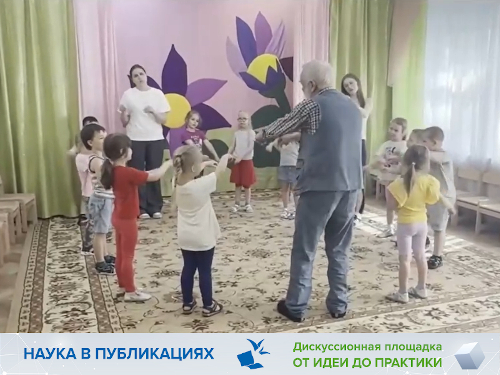
26 июня на дискуссионной площадке «Наука в публикациях: От идеи до практики» состоялся пятый вебинар «Шаг за шагом традиционная игра возвращается в детские сады России».
Пятый вебинар из серии встреч, направленных на поддержку сотрудников дошкольных образовательных учреждений в освоении Программы фольклорных игр, разработанной факультетом «Юридическая психология» МГППУ и рекомендованных Министерством просвещения как способа подготовки детей к действиям в ситуациях террористической опасности.
Концептуальный анализ игр программы с точки зрения их влияния на мобилизационную готовность детей к действиям в типовых ситуациях террористической опасности. Рассмотрены итоги наблюдений за поведением детей, сделанных на всероссийских учениях в апреле 2026 г.
Спикеры:
Чернушевич Владимир Анатольевич, доцент кафедры юридической психологии и права факультета «Юридическая психология» МГППУ.
Теплова Анна Борисовна, кандидат педагогических наук, доцент кафедры юридической психологии и права факультета «Юридическая психология» МГППУ.
Куприянова Екатерина Анатольевна, старший преподаватель, психолог учебно-производственной лаборатории факультета «Юридическая психология» МГППУ.
Могилевчик Марина Григорьевна, педагог-психолог, руководитель кружка «Лесная игровая».
Публикации спикера по теме мероприятия:
- Теплова, А. Б., Чернушевич, В. А. Ресурсы народной игры как социокультурного средства профилактики девиантного поведения // Культурно-историческая психология. — 2017. — Том 13. — № 3. — С. 51—59.
- Чернушевич, В.А., Куприянова, Е.А., Бобрышова, Е.И. Народная игровая культура как средство формирования норм общения в детском возрасте // Психология и право. — 2016. — № 6(2). — С. 93—106.
- Теплова, А.Б., Чернушевич, В.А., Чупракова, Н.Н. Проблемы внедрения фольклорной игровой практики как коррекционно-профилактического ресурса (результаты и перспективы экспериментальной работы) // Психология и право. — 2020. — № 10(2). — С. 64—77.
- Чернушевич, В.А. Народная игра как феномен инкультурации современного ребенка // Психология и право. — 2023. — № 13(3). С. 119—134.
Организаторы:
Фундаментальная библиотека МГППУ
Управление информационными и издательскими проектами
Календарь вебинаров и встреч проекта «Наука в публикациях» на 2026 г.
24.06.2026
Шаг за шагом традиционная игра возвращается в детские сады России: вебинар №5
26 июня в 14:00 по Московскому времени на дискуссионной площадке «Наука в публикациях: От идеи до практики» при поддержке Точки кипения МГППУ состоится пятый вебинар «Шаг за шагом традиционная игра возвращается в детские сады России».
Онлайн: Мероприятие онлайн на платформе МТС link. Для участия необходимо зарегистрироваться на платформе LeaderID и подать заявку на мероприятие. Ссылка придет в день мероприятия на почту, указанную при регистрации на LeaderID.
Пятый вебинар из серии встреч, направленных на поддержку сотрудников дошкольных образовательных учреждений в освоении Программы фольклорных игр, разработанной факультетом «Юридическая психология» МГППУ и рекомендованных Министерством просвещения как способа подготовки детей к действиям в ситуациях террористической опасности.
В настоящее время в реализацию программы официально включилось более 58 регионов России от Камчатки до Калининграда (1700 участников, воспитателей, музыкальных руководителей, инструкторов физической культуры).
Основная задача вебинара №5 обсудить, что важнее в игре, сама игра, игровое настроение или выполнение правил, как сочетается строгое выполнение правил с творческим, импровизационным характером живой традиционной игры, отметить успехи участников в освоение новых игр детской программы (на примере игры Ворон Иван Петрович).
Принципиально новым будет концептуальный анализ игр программы с точки зрения их влияния на мобилизационную готовность детей к действиям в типовых ситуациях террористической опасности. Будут рассмотрены итоги наблюдений за поведением детей, сделанных на всероссийских учениях в апреле 2026 г.
Спикеры:
Чернушевич Владимир Анатольевич, доцент кафедры юридической психологии и права факультета «Юридическая психология» МГППУ.
Теплова Анна Борисовна, кандидат педагогических наук, доцент кафедры юридической психологии и права факультета «Юридическая психология» МГППУ.
Куприянова Екатерина Анатольевна, старший преподаватель, психолог учебно-производственной лаборатории факультета «Юридическая психология» МГППУ.
Могилевчик Марина Григорьевна, педагог-психолог, руководитель кружка «Лесная игровая».
Публикации спикера по теме мероприятия:
- Теплова, А. Б., Чернушевич, В. А. Ресурсы народной игры как социокультурного средства профилактики девиантного поведения // Культурно-историческая психология. — 2017. — Том 13. — № 3. — С. 51—59.
- Чернушевич, В.А., Куприянова, Е.А., Бобрышова, Е.И. Народная игровая культура как средство формирования норм общения в детском возрасте // Психология и право. — 2016. — № 6(2). — С. 93—106.
- Теплова, А.Б., Чернушевич, В.А., Чупракова, Н.Н. Проблемы внедрения фольклорной игровой практики как коррекционно-профилактического ресурса (результаты и перспективы экспериментальной работы) // Психология и право. — 2020. — № 10(2). — С. 64—77.
- Чернушевич, В.А. Народная игра как феномен инкультурации современного ребенка // Психология и право. — 2023. — № 13(3). С. 119—134.
Организаторы:
Фундаментальная библиотека МГППУ
Управление информационными и издательскими проектами
Календарь вебинаров и встреч проекта «Наука в публикациях» на 2026 г.